


in repair: on the luxury of time
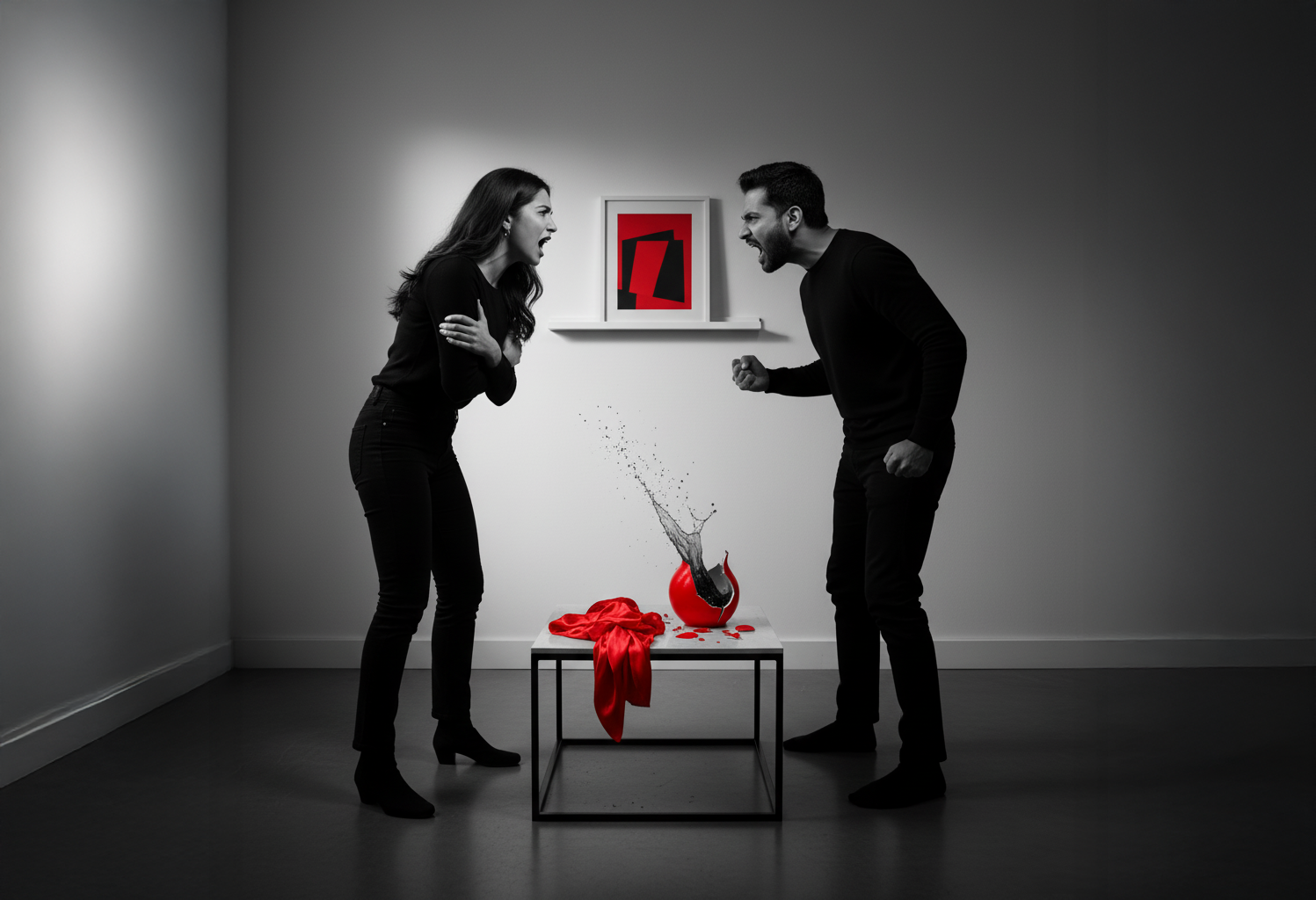
time is the rarest luxury in my work. most couples come to me when the pattern has already hardened - the distance, the defensiveness, the exhaustion. weekly therapy can hold them, but sometimes it can’t contain them. some ruptures need more than an hour; they need duration. they need space for the body to settle before the mind begins to understand.
when I hold an intensive, I’m not offering more therapy - I’m offering more time. a full day allows for the slow rhythm that repair requires. we begin gently, often in silence. the day opens with observation rather than intervention. as the hours stretch, the pace changes; emotion that was once compressed begins to move again. the nervous system, given room to breathe, begins to trust that it can.
I think of these days as architectural. each phase supports the next - containment, disclosure, meaning, reconnection. in that order, slowly, the system regains coherence. it’s not the intensity that heals; it’s the continuity. when there is no rush to end, emotion completes its full cycle.
couples often tell me that the day feels both long and strangely short - long enough for something to change, short enough to feel safe. in that time, I see the shift from defense to curiosity, from control to care. an hour can name the pattern; a day can start to rewire it.
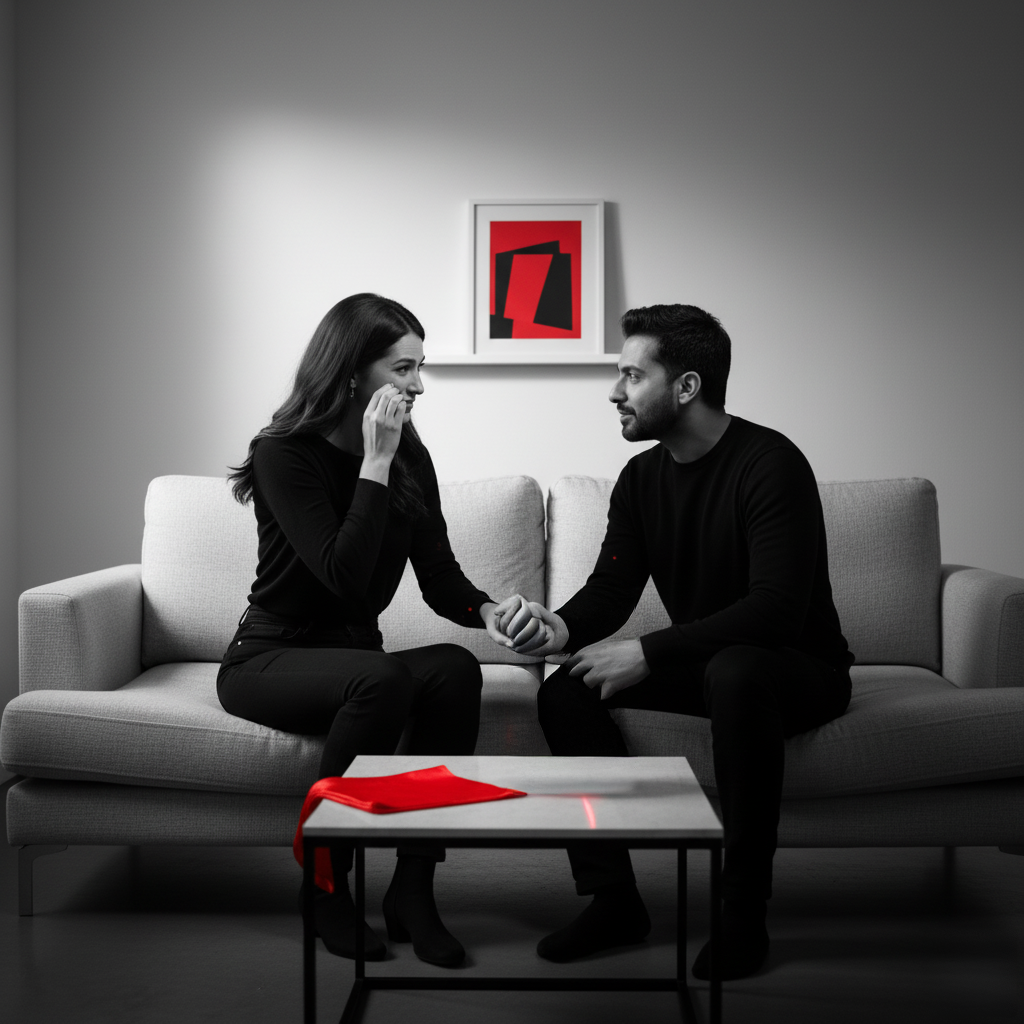

intensives also change me as a therapist. when time is abundant, I listen differently. I don’t hurry silence. I watch the small physiological cues - the way breath syncs or resists, the flicker of a micro-expression when a truth lands. I can stay with the process rather than moving it along. time creates precision. it makes empathy sharper, not softer.
some couples begin in boston or london, spending a full day or weekend immersed in the work, then continue virtually. others return quarterly, using intensives as recalibration - a deliberate pause in the velocity of their lives. the format is flexible; the discipline is not. what matters is that time itself becomes the therapeutic instrument.
we live in a culture that treats time as scarcity - something to manage, measure, or optimize. in therapy, time becomes the opposite: the material through which repair is built. when I slow the work, emotion becomes legible. when I protect duration, safety grows.
the luxury of time isn’t indulgence; it’s permission. permission to stop performing, to let feeling arrive unedited. permission to stay with discomfort until it transforms. in the quiet stretch of hours, trust begins to rebuild - not as an idea, but as an experience.
in the end, time is what allows truth to integrate. it’s what lets two people stand in the same story without falling apart. repair doesn’t happen in moments; it happens in hours that are protected from the noise of everything else. that is the real luxury - time that belongs only to the work.
author
jason powell is a licensed marriage and family therapist and aasect certified sex therapist. he is the founder of thread & tether, a boutique psychotherapy practice based in boston, with bespoke in-person arrangements in london. the work is private, paced, and precise - held in quiet.